Are you here on behalf of an orchestra, an institution or a business – or as a private individual?
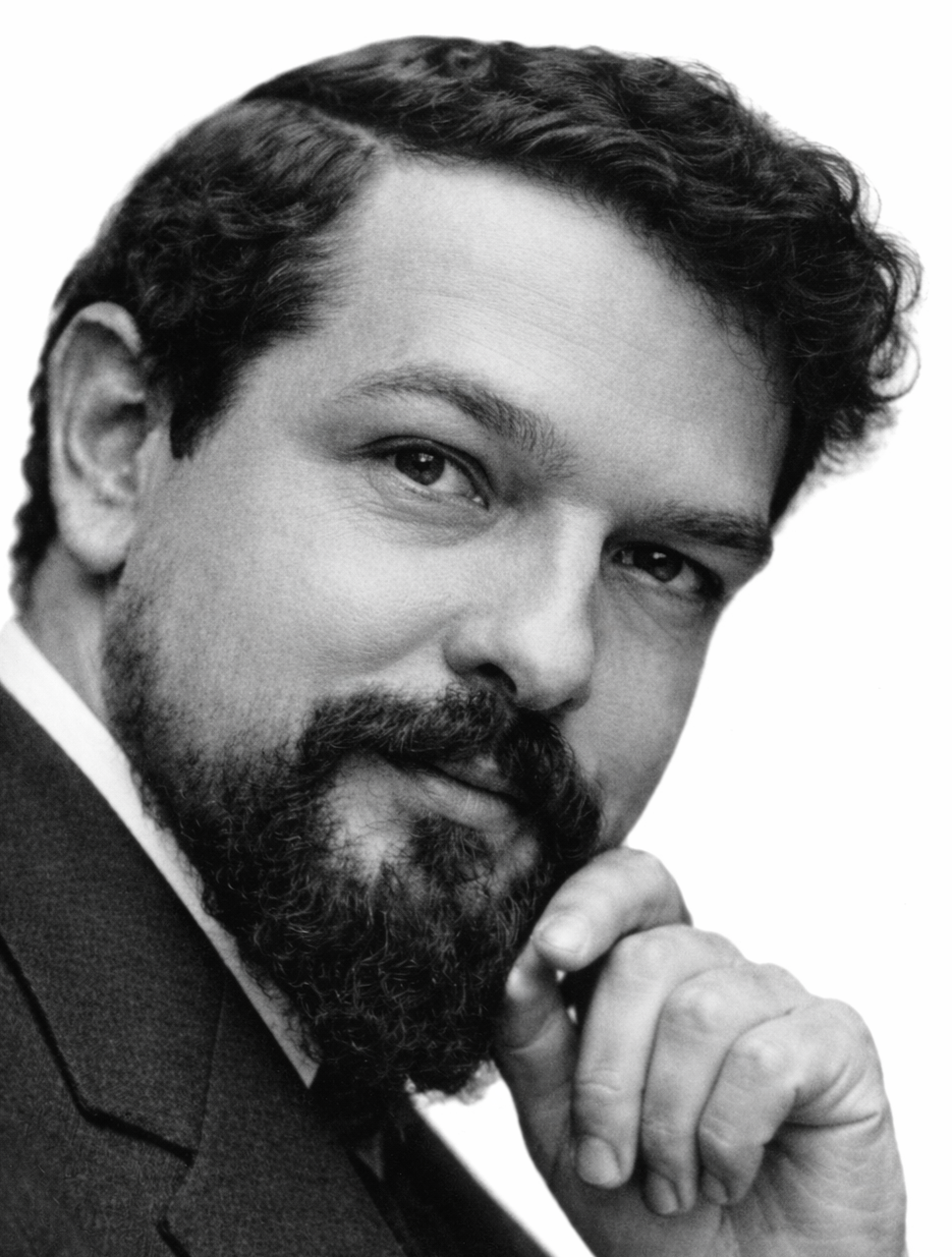
Debussy's "Danse" was composed in 1890 as a piano piece and bears the characteristic subtitle "Tarantelle styrienne". The work combines the traditional Italian dance form of the tarantella with regional Styrian elements and demonstrates Debussy's early interest in folkloric influences. This lively, rhythmically distinctive composition belongs to his lesser-known early works, yet already reveals his inclination toward unconventional harmonic progressions.
Maurice Ravel created the orchestral version of this spirited dance piece in 1923, transforming the originally intimate piano work into a colorful orchestral miniature. Ravel's masterful instrumentation lends the music additional rhythmic incisiveness and sonic brilliance without distorting the original character. The orchestration is regarded as a successful example of the fruitful artistic collaboration between the two great French composers.
The work stands as an exemplar of French music around the turn of the century, in which impressionist musical language merged with traditional dance forms. Both Debussy's original conception and Ravel's later arrangement demonstrate the combination of rhythmic precision and sophisticated harmony typical of French modernism.
| Item no. | Description | Price (incl. 7% VAT) | |
|---|---|---|---|
| BO-5817.00 | Full score Jobert, Paris, 1923 | € 19,80 | |
| BO-5817.10 | Set of parts with strings 5.4.3.2.2 Jobert, Paris, 1923 | € 90,00 | |
🎵 Digital optionsDigital parts for this edition are not yet available. Please log in to request digitization. | |||
| BO-5817.21 | Extra Str. Vl.1 | € 3,50 | |
| BO-5817.22 | Extra Str. Vl.2 | € 3,50 | |
| BO-5817.23 | Extra Str. Va. | € 3,50 | |
| BO-5817.24 | Extra Str. Vc. | € 3,50 | |
| BO-5817.25 | Extra Str. Bass | € 3,50 | |