Are you here on behalf of an orchestra, an institution or a business – or as a private individual?
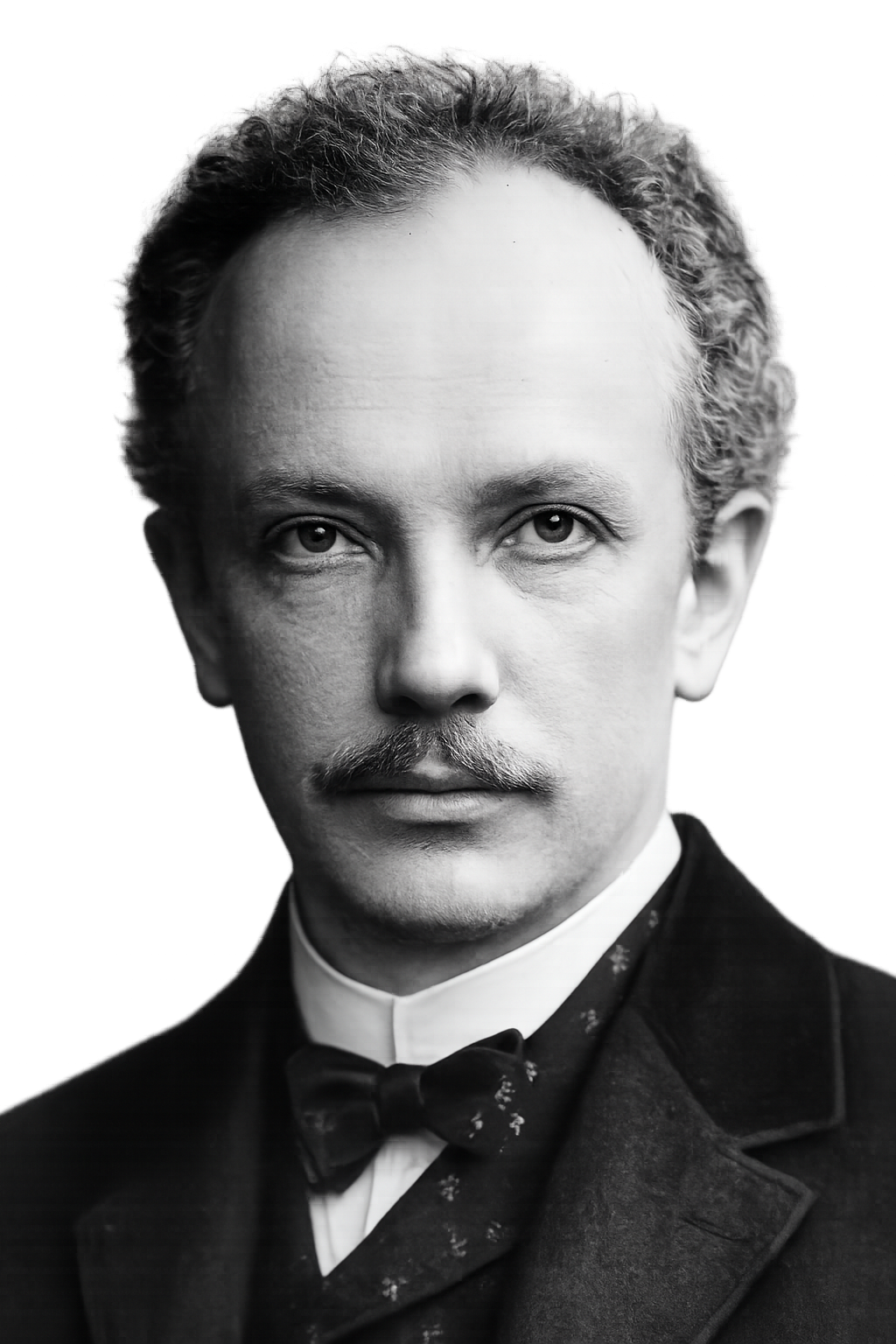
Richard Strauss composed his Symphony No. 2 in F minor at the age of only twenty, at a time when he was still strongly influenced by the German late Romantic tradition. The work already displays the orchestral mastery that would later make Strauss one of the most significant composers of his generation, but still clearly follows the symphonic models of Brahms and Schumann.
The symphony reveals Strauss's exceptional gift for orchestral writing and his ability to develop nuanced tonal colors from a large orchestra. Already characteristic is the virtuosic handling of the wind instruments and the powerful, often dramatically heightened melodic writing that anticipates his later tone poems.
As an early work by the composer, the F minor Symphony stands at the transition between the Brahmsian symphonic tradition and Strauss's independent musical language. It is said to be among the few purely instrumental works in which the young Strauss does not yet turn to the programmatic elements that would characterize his later output.
| Item no. | Description | Price (incl. 7% VAT) | |
|---|---|---|---|
| BO-4221.00 | Full score Aibl, München 1885 | € 65,00 | |
| BO-4221.10 | Set of parts with strings 5.4.3.2.2 Aibl, München 1885 | € 215,00 | |
🎵 Digital optionsDigital parts for this edition are not yet available. Please log in to request digitization. | |||
| BO-4221.21 | Extra Str. Vl.1 | € 8,00 | |
| BO-4221.22 | Extra Str. Vl.2 | € 8,00 | |
| BO-4221.23 | Extra Str. Va. | € 8,00 | |
| BO-4221.24 | Extra Str. Vc. | € 8,00 | |
| BO-4221.25 | Extra Str. Bass | € 8,00 | |